Challenging behaviors can disrupt learning, impact classroom climate, and increase stress for both educators and students. However, behavior is often a form of communication. When educators understand why behaviors occur and implement proactive, evidence-based strategies, they can create safer, more productive classrooms while supporting students' academic, social, and emotional growth.
This pathway equips educators with practical tools to identify behavior patterns, prevent escalation, implement interventions, and support students through positive behavior support systems.
Teachers know that students walk into their classrooms with a wide range of abilities, and they often experience challenges with their behavior and/or academic performance. Join Melissa Mann for this hands-on, interactive workshop as she shares a toolbox of evidence-based academic and behavioral intervention strategies that can be used to assist struggling students. Participants will also have an opportunity to choose an intervention strategy based on a particular skill or behavior and develop a plan to implement that strategy in the classroom.
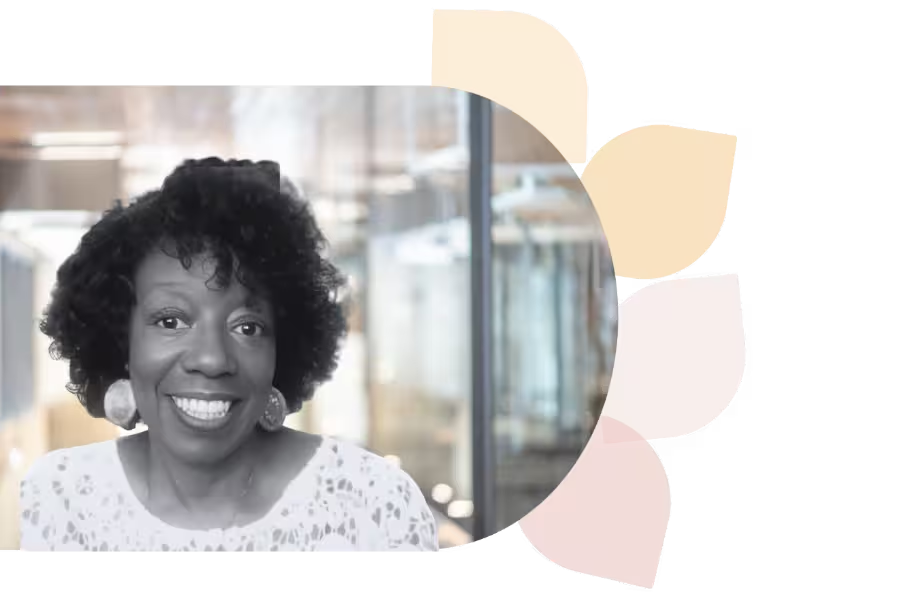
Regardless of age, students' social and emotional needs must be considered in order to effectively address behavioral issues in the classroom. Join Reba Gordon-Matthews as she shares how you can take your students from contenders to champions! You will also walk away with strategies for working with students who disrupt the learning process as well as tips and tricks for encouraging positive behavior.
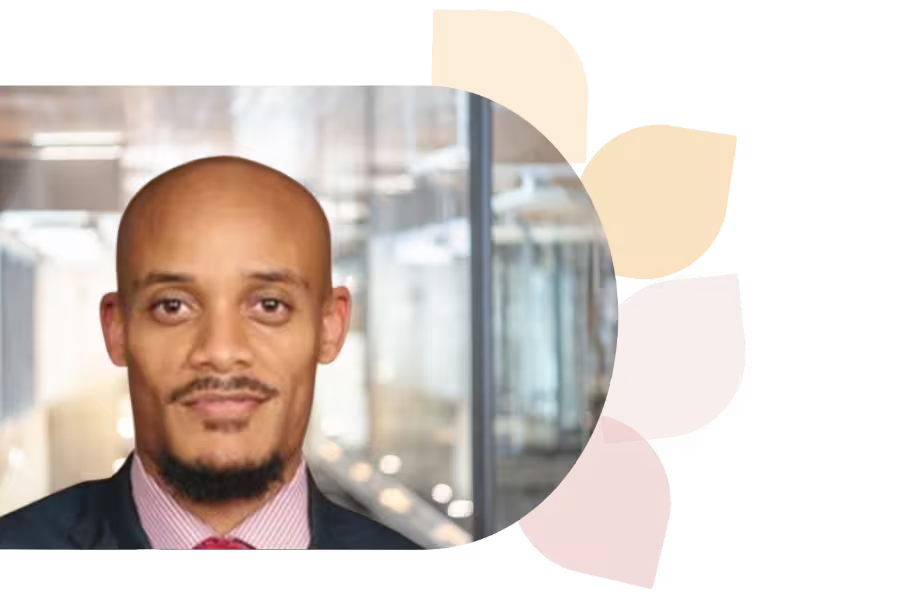
Are you collecting behavior data for the sake of checking a box? What if you could use this data to reduce challenging behaviors? Join Ryan Jeffery for this time-saving, to the point session as he discusses how to gather, record, and analyze behavior data to determine the most effective strategies to increase student achievement. You will also learn how to leverage this quantitative information to avoid implicit biases and treat students equitably. Join us to discover how to use your behavior data as a tool to empower you and your students! Ryan Jeffery is a certified PreK-12 administrator and behavior intervention strategist in the public education community. He is well known for his strategies for interpreting defiant behaviors and helping educators gain student compliance with calm, confident, and consistent approaches to behavior management.
Whether you are considering a Functional Behavioral Assessment (FBA) or a Behavior Intervention Plan (BIP) as a proactive intervention or fulfilling a district requirement after a manifestation determination meeting, it is important to know how to put an effective plan into place. Join Ryan Jeffery for this time-saving, to the point session as he outlines, step-by-step, the procedures for implementing tier three interventions that are backed by the science of applied behavior analysis. You will also discover how to interpret the reasons behind challenging behaviors and identify the primary behavior of concern when writing a functional behavior assessment. Ryan Jeffery is a certified PreK-12 administrator and behavior intervention strategist in the public education community. He is well known for his strategies for interpreting defiant behaviors and helping educators gain student compliance with calm, confident, and consistent approaches to behavior management.
It is difficult to maintain a positive classroom culture when a defiant student attempts to destroy your classroom or threaten the safety of themselves and others. Join Ryan Jeffery for this time-saving, to the point session and discover how to crack the C.O.D.E. to the seven levels of physical aggression and understand why students may demonstrate unsafe behaviors. You will also walk away with strategies for counteracting each of these levels of student aggression that can help stop a behavior crisis in your classroom before it starts. Ryan Jeffery is a certified PreK-12 administrator and behavior intervention strategist in the public education community. He is well known for his strategies for interpreting defiant behaviors and helping educators gain student compliance with calm, confident, and consistent approaches to behavior management.
How can you confidently support a student experiencing emotional or behavioral crisis? What actionable steps can you take to manage crises effectively, whether online or in person? Research shows that timely intervention during psychological or emotional crises can significantly improve student safety, well-being, and learning outcomes. Yet, many educators feel unprepared to respond when students show signs of distress, especially without formal mental health training. Join licensed therapist Támara Hill for this practical, empowering session as she guides you through a step-by-step process for identifying, managing, and de-escalating crises with students in both virtual and in-person settings. Explore strategies for recognizing early warning signs, implementing proactive support, and responding with confidence when a crisis arises. You will also gain a ready-to-use template for creating individualized crisis plans and learn effective ways to collaborate with parents and external resources to provide wraparound care for students. Támara's expertise in clinical mental health will equip you with realistic, compassionate tools to ensure every student receives the support they need during challenging times.


Challenging behaviors don't have to derail learning. With the right strategies and supports, educators can create environments where students feel successful, supported, and ready to learn. This pathway provides the tools needed to respond with confidence and build lasting positive change.