


Description
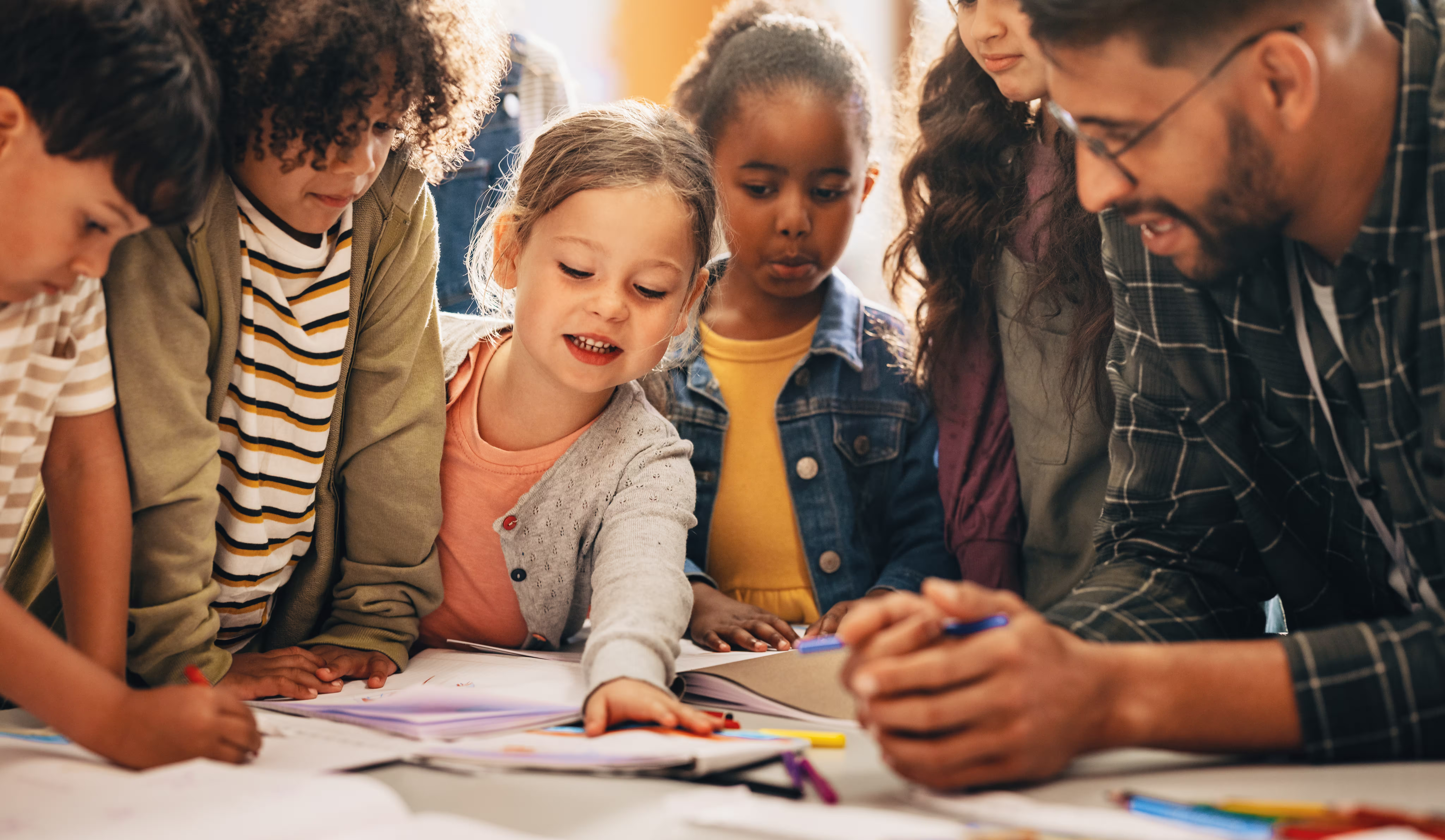
Young children notice differences, ask questions, and develop ideas about fairness from an early age. Looking for developmentally appropriate ways to help students build empathy, kindness, and an understanding of fairness? In this course, Christine Romano explores practical strategies for introducing social justice concepts in K–2 classrooms through meaningful conversations, literature, and everyday learning experiences. Grounded in the work of Louise Derman-Sparks, educators will learn how to facilitate age-appropriate discussions about fairness and inclusion, respond constructively to student observations about differences, and create classroom environments where every child feels valued and respected. Participants will also explore picture books, role-playing activities, and classroom routines that promote empathy, kindness, and belonging. By the end of this course, educators will walk away with ready-to-implement strategies, practical resources, and step-by-step guidance for fostering inclusive classroom communities where all students feel safe, supported, and empowered.
Objectives
Identify key concepts related to fairness, empathy, inclusion, and social justice in early childhood settings.Explain how guided conversations support healthy social and emotional development.Implement age-appropriate strategies that promote fairness, kindness, and inclusion.Examine classroom scenarios to determine appropriate responses to student comments and questions about differences.Assess the effectiveness of classroom practices in fostering empathy, belonging, and respect.Design learning experiences and classroom routines that support inclusive and equitable learning environments.