


Description
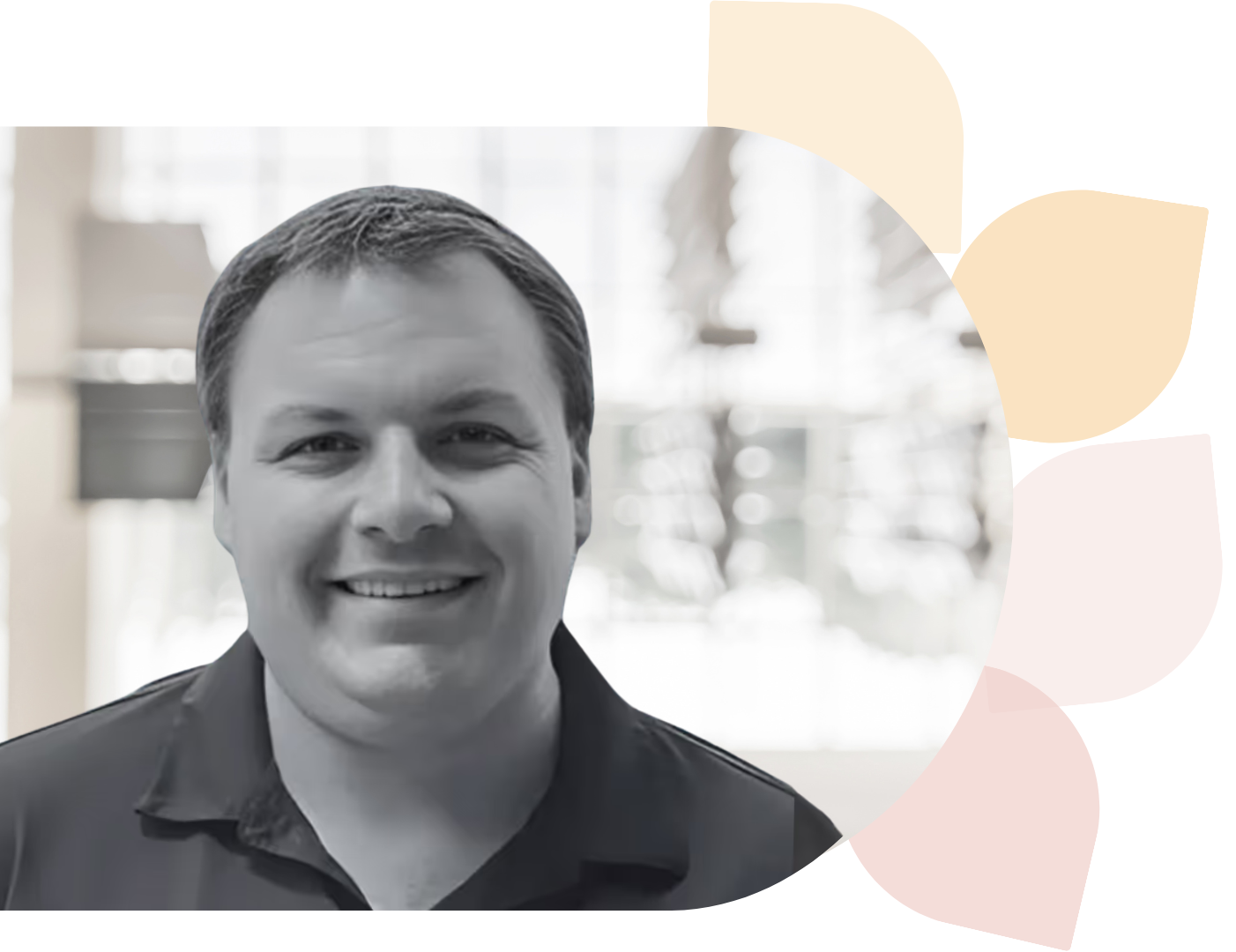
According to the American Heart Association over 475,000 people will die from cardiac arrest this year, and the chances of survival increase when a bystander trained in CPR can begin immediate care. Join John Roche for this timesaving, to the point session as he introduces the basics of CPR and AED in the classroom. You will also learn how CPR is performed, what it does, and the difference between adult, child and infant CPR. In addition, you will also learn how AEDs work and why knowing where it they are located can make all the difference. NOTE: This training is non-certified.
Objectives
Recall the statistics related to cardiac arrest and the impact of immediate CPR intervention on survival rates. Understand the basic principles and techniques of CPR, including its purpose and how it helps in maintaining blood circulation. Apply knowledge of CPR techniques to differentiate between adult, child, and infant CPR, demonstrating appropriate response strategies for each age group. Analyze the function of AEDs and their role in cardiac emergency response, including the importance of their accessibility and awareness of their locations. Evaluate the effectiveness of CPR and AED training in improving bystander response rates and survival outcomes in cardiac arrest incidents. Develop an action plan for CPR and AED implementation in the classroom environment, including strategies for raising awareness and ensuring readiness to respond to cardiac emergencies.